Comprehending the Procedures Included in Aluminum Casting for High-Quality Manufacturing
The aluminum casting procedure is a complex yet vital procedure for accomplishing high-grade manufacturing. It includes a number of phases, consisting of mold and mildew preparation, melting, pouring, and cooling. Each step needs careful focus to detail to prevent problems and ensure consistency. Comprehending these treatments can significantly affect the end product's integrity. As one checks out the nuances of mold selection and air conditioning techniques, the value of each facet ends up being increasingly clear. What aspects really dictate success in this detailed process?
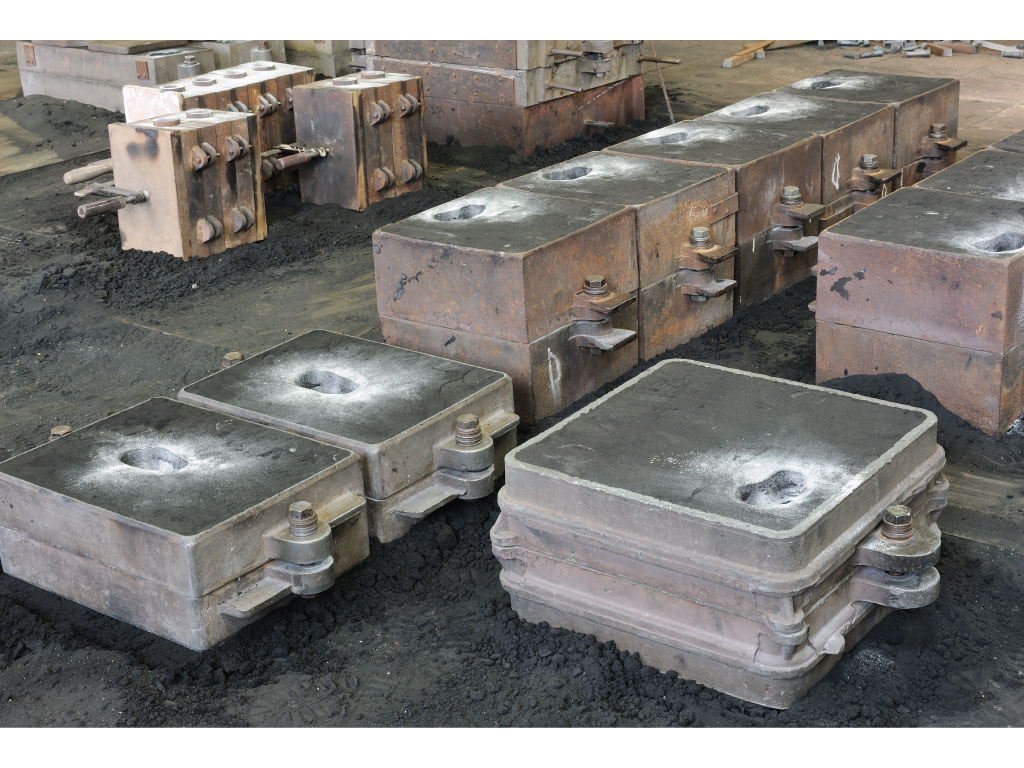
The Aluminum Casting Process Introduction
The aluminum casting procedure is an extensively made use of manufacturing strategy that changes liquified aluminum into numerous forms and components. This process begins by heating aluminum till it reaches a fluid state, allowing it to stream conveniently right into mold and mildews. Depending on the preferred final result, various casting methods can be utilized, consisting of sand casting, pass away casting, and investment casting. Each approach has its distinct benefits and applications, influencing variables such as manufacturing quantity, dimensional accuracy, and surface area finish.
Once the aluminum is poured into the mold, it cools down and strengthens, tackling the shape of the cavity. After cooling, the cast item is removed from the mold, usually requiring extra procedures like trimming, machining, or surface area therapy to attain the final specs. Overall, the aluminum casting process is necessary in generating intricate and sturdy elements for various sectors, consisting of vehicle, aerospace, and durable goods.
Preparing the Mold for Casting

Mindful preparation additionally involves cleansing the mold and mildew to eliminate any kind of contaminants that might influence the casting process. A complete examination warranties that all components fit with each other effectively, protecting against imbalances throughout putting. In addition, using a release representative can assist relieve the removal of the finished item.
Inevitably, careful interest to information throughout mold prep work sets the foundation for an effective casting operation, affecting elements such as dimensional accuracy and surface area high quality of the aluminum parts generated.
Pouring and thawing Aluminum
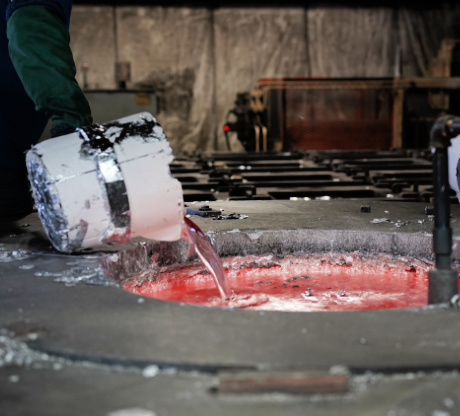
Reliable melting and pouring of aluminum is important for attaining top notch spreadings. The procedure begins by choosing the suitable heating system, which ought to provide effective warm transfer and maintain constant temperature levels. Numerous kinds of heaters, such as induction or crucible heaters, can be used based upon production requirements and volume.
The aluminum needs to be heated up to its melting point, generally around 660 degrees Celsius (1220 levels Fahrenheit), while making sure very little oxidation and contamination. To improve top quality, additives might be introduced to improve fluidness and decrease pollutants. When completely melted, the aluminum must be held at a stable temperature prior to pouring.
Pouring needs precision to prevent flaws such as air pockets or additions. Using putting ladles and regulated putting techniques contributes to a smooth circulation right into the mold and mildew. Proper execution of these steps is vital for creating castings with optimal architectural honesty and surface area finish.
Cooling and Solidification Methods
After pouring, the air conditioning and solidification of aluminum play a vital role in identifying the final residential or commercial properties of the casting (Aluminum Casting Company). Efficient cooling techniques straight affect the microstructure, mechanical residential or commercial properties, and dimensional precision of the end product. Typical techniques consist of forced air cooling and water spray, which advertise consistent temperature level distribution and decrease thermal slopes
The solidification process begins as the liquified aluminum sheds warmth, moving from liquid to strong. The price of cooling influences grain size; slower air conditioning can cause bigger grains, potentially decreasing toughness. Additionally, the usage of cools-- metal inserts that absorb heat-- can enhance cooling rates in particular areas, improving general honesty.
Regulated cooling systems are usually carried out to achieve desired residential or commercial properties, such as enhanced ductility or toughness, by handling the air conditioning contour. Correct methods ensure trustworthy aluminum castings that meet strict sector requirements.
Ending Up and Quality Assurance Steps
Ending up and quality assurance steps are important to ensure that aluminum castings fulfill the required specs and performance requirements. After the casting process, parts undergo various ending up procedures, including machining, grinding, and polishing. These processes improve surface area high quality, dimensional precision, and general aesthetic appeals.
Quality control measures play an essential function in guaranteeing item honesty. Inspection methods such as aesthetic analyses, dimensional checks, and non-destructive testing are employed to determine defects like porosity, surface irregularities, or dimensional mistakes. Additionally, complete paperwork of each stage of manufacturing assists trace any problems back to their resource, allowing continual improvement.
Using analytical process control (copyright) further guarantees that production procedures remain within defined limits, boosting consistency and reliability. By incorporating ending up techniques and rigorous top quality control procedures, manufacturers can attain high-quality aluminum castings that satisfy both market criteria and customer assumptions.
Regularly Asked Inquiries
What Sorts Of Aluminum Alloys Are Finest for Casting?
The very best aluminum alloys for casting include 319, 356, and 413, known for their superb fluidity, deterioration resistance, and strength - Aluminum Casting Company. These alloys are generally made use of in vehicle, aerospace, and numerous industrial applications for resilient parts
Exactly How Does Temperature Affect Aluminum Casting Quality?
Temperature significantly influences aluminum casting high quality; greater temperatures can enhance fluidness but might browse around these guys lead to oxidation, while lower temperature levels boost detail however boost viscosity. Achieving optimal temperatures is essential for stabilizing these rival effects during casting.
What Are Usual Problems in Aluminum Castings?
Usual issues in aluminum spreadings include porosity, shrinkage, additions, cold shuts, and surface area roughness. These issues emerge from elements such as improper temperature control, see this website contamination, and poor mold design, influencing the last product's honesty and performance.
Can Aluminum Casting Be Reused?
Just How Does Aluminum Casting Compare to Various Other Manufacturing Approaches?
Aluminum casting deals premium layout adaptability and material efficiency contrasted to approaches like forging or machining. aluminum casting. Its ability to create detailed forms reduces waste, boosting general manufacturing efficiency while preserving premium standards in finished products
The aluminum casting process is a facility yet crucial procedure for achieving top quality production. The aluminum casting procedure is an extensively made use of manufacturing strategy that changes liquified aluminum into various shapes and elements. Preparing the mold and mildew for casting is a crucial action that directly affects the top quality of the last aluminum item. Completing and high quality control procedures are crucial to assure that aluminum castings satisfy the required specs and performance requirements. Temperature greatly affects aluminum casting high quality; greater temperature levels click this link can enhance fluidness but might lead to oxidation, while lower temperature levels enhance detail but boost thickness.
Comments on “Comparing popular methods in aluminum casting”