The Vital Overview to Recognizing Metal Casting Applications and techniques
Metal spreading techniques develop the foundation of modern-day manufacturing. These approaches transform liquified steel into accurate shapes, dealing with various industries. Each strategy, from sand casting to investment spreading, provides distinct benefits and applications. Understanding these methods is important for enhancing production processes. As markets advance, the demand for reliable and innovative spreading remedies expands. What lies in advance for these strategies despite progressing technology and altering market needs?
Summary of Metal Casting Techniques
Steel casting strategies incorporate a variety of approaches utilized to form molten steel right into wanted types. These strategies are important in various markets, including auto, aerospace, and art, making it possible for the production of components with complex details and complicated geometries. The key processes consist of gravity spreading, where steel streams into a mold and mildew under its weight, and pressure spreading, where molten steel is pushed into a mold and mildew tooth cavity. Investment spreading, recognized for its accuracy, makes use of a wax pattern that is dissolved, developing an extremely accurate mold and mildew. Pass away casting employs a high-pressure system to produce components swiftly, while shed foam spreading incorporates the efficiency of foam patterns with accuracy. Each technique has its benefits, tailored to particular applications based on elements like product residential or commercial properties, manufacturing quantity, and preferred coating. Understanding these approaches allows makers to select one of the most appropriate approach for their one-of-a-kind demands, optimizing both efficiency and top quality in steel manufacturing.
Sand Spreading: One Of The Most Typical Technique
Although various casting methods exist, sand casting stays one of the most common strategy in the sector because of its flexibility and cost-effectiveness. This method uses sand as a main mold product, enabling the production of huge components and complicated shapes. The process begins with the formation of a mold, commonly made from a blend of sand and a binding agent. As soon as the mold and mildew is ready, liquified metal is poured right into the tooth cavity, filling up every information of the design.
After the metal strengthens and cools, the mold and mildew is broken away to disclose the last casting. Sand casting is especially preferred for its ability to accommodate a wide variety of metals, including iron, steel, and aluminum. Furthermore, it appropriates for both small-scale manufacturing and big quantities, making it an ideal selection for sectors such as vehicle, aerospace, and building. Metal Casting. Its simpleness and effectiveness proceed to drive its appeal in metalworking
Financial Investment Spreading: Accuracy and Information
Financial investment spreading is a highly precise metal casting strategy that provides phenomenal information in the end product. This procedure entails producing a wax pattern that is coated with a ceramic material, permitting intricate layouts and smooth surface finishes. Its advantages include the ability to produce complicated forms and a wide variety of applications across different markets.
Refine Summary
When precision and complex information are critical, financial investment casting arises as a favored method in metalworking. Aluminum Foundry. This procedure begins with creating a wax or polymer pattern, which is then coated with a ceramic shell. As soon as the shell hardens, the pattern is thawed out, leaving a mold. Molten steel is put right into this mold to create the desired form. After cooling, the ceramic covering is eliminated, revealing the actors element. Financial investment casting enables limited tolerances and complicated geometries, making it ideal for numerous materials, consisting of steel, titanium, and aluminum. This strategy is especially valued in industries that require complex layouts and top notch surfaces, ensuring that each actors part fulfills rigid requirements with minimal post-processing
Applications and benefits
The benefits of financial investment casting expand beyond its ability to produce complex geometries and limited tolerances. This strategy enables the manufacturing of detailed parts with smooth surface finishes, significantly minimizing the need for considerable machining. Financial investment spreading is especially useful for producing detailed components in markets such as aerospace, automobile, and clinical devices, where accuracy is important. Furthermore, it suits a variety of materials, consisting of various alloys, which can enhance efficiency in specific applications. The process also generates high production rates, making it financially practical for both large and tiny sets. Ultimately, investment spreading sticks out for its versatility, efficiency, and ability to create high-grade parts that fulfill rigid sector criteria.
Die Casting: High-Volume Production
Pass away casting becomes a substantial go to the website approach for high-volume production, especially in industries needing precision-engineered components. This technique includes requiring liquified steel under high stress right into a mold cavity, resulting in parts with excellent dimensional accuracy and surface area finish. Generally made use of with non-ferrous metals such as aluminum, zinc, and magnesium, pass away casting is favored for its capability to produce detailed forms with minimal machining needs.
The process allows for quick manufacturing cycles, making it suitable for producing huge amounts of components efficiently. Pass away spreading is widely employed in auto, aerospace, and customer electronics sectors, where dependability and repeatability are necessary. Furthermore, advancements in technology have actually led to improved mold and mildew designs and materials, boosting the toughness and life expectancy of the molds. Generally, die casting stands out as an essential technique for suppliers aiming to meet high production needs while maintaining quality and cost-effectiveness in their procedures.
Lost Wax Spreading: An One-of-a-kind Artistic Method
Lost wax casting, a technique with old beginnings, has been made use of for centuries to develop complex steel sculptures. This method involves numerous exact steps, from crafting a wax model to the final steel pour. Understanding both its historical relevance and the comprehensive procedure can illuminate the virtuosity behind this special spreading strategy.
History of Lost Wax
Amongst the myriad metal casting methods, lost wax spreading stands out for its one-of-a-kind imaginative expression and abundant historical origins. This technique, thought to date back over 5,000 years, has been used by different worlds, consisting of the ancient Egyptians, Greeks, and Chinese. At first utilized for creating elaborate jewelry and ceremonial things, lost wax casting enabled artisans to replicate detailed styles with precision. The procedure includes shaping a design in wax, which is after that encased in a mold. As soon as heated, the wax disappears, leaving a dental caries for liquified steel. This method not only showcases the skill of the artist yet likewise highlights the cultural relevance of metalwork throughout background, influencing contemporary techniques in sculpture and layout.
Process Actions Clarified
The detailed process of lost wax casting entails a number of thoroughly managed steps that change a wax design right into a magnificent metal artefact. Initially, an artist creates a thorough wax model, which works as the layout for the last piece. This design is then covered with a refractory material to form a mold and mildew, adhered to by heating to permit the wax to melt and recede, leaving a hollow tooth cavity. Next, liquified steel is put right into the mold, filling up the space left by the wax. Once the metal cools dig this and solidifies, the mold and mildew is escaped to expose the completed item. Ultimately, any kind of essential complements, such as sprucing up and surface area therapy, are put on boost the item's aesthetic allure and sturdiness.
Applications of Steel Casting in Numerous Industries
Steel spreading functions as an essential procedure throughout various industries, supplying essential elements for a broad range of applications. In the automobile market, it enables the production of engine blocks, transmission cases, and numerous structural elements, adding to lorry durability and efficiency. The aerospace sector makes use of steel spreading for light-weight yet solid parts, such as generator blades and landing gear, essential for trip safety.
In construction, cast steel aspects like installations and beams enhance structural stability and visual charm. The power industry additionally advantages, with actors parts utilized in generators and generators, optimizing efficiency in power production. In addition, the clinical field uses steel spreading to create accuracy tools and implants, highlighting its duty in advancing health care modern technology. On the whole, steel casting's versatility and effectiveness make it essential for creating high-quality parts throughout varied sectors, driving technology and meeting certain useful requirements.
Often Asked Concerns
What Products Are Typically Made Use Of for Steel Spreading?
Typical products made use of for metal spreading include light weight aluminum, iron, magnesium, and bronze. These metals are preferred for their desirable buildings, such as melting point, fluidity, and stamina, making them suitable for a selection of applications.
Just How Does Environmental Impact Vary In Between Casting Approaches?
Ecological effect differs considerably among casting techniques. For example, sand spreading generally has actually lower exhausts compared to financial investment casting, which utilizes more power and creates higher waste. Furthermore, strategies can influence air and water top quality differently.
What Security Safety Measures Should Be Taken Throughout Steel Casting?
During steel spreading, safety preventative measures include wearing protective equipment, guaranteeing correct ventilation, maintaining devices, making use of fireproof materials, adhering to well established procedures, and training employees to deal with unsafe products and emergency situations effectively to reduce dangers.
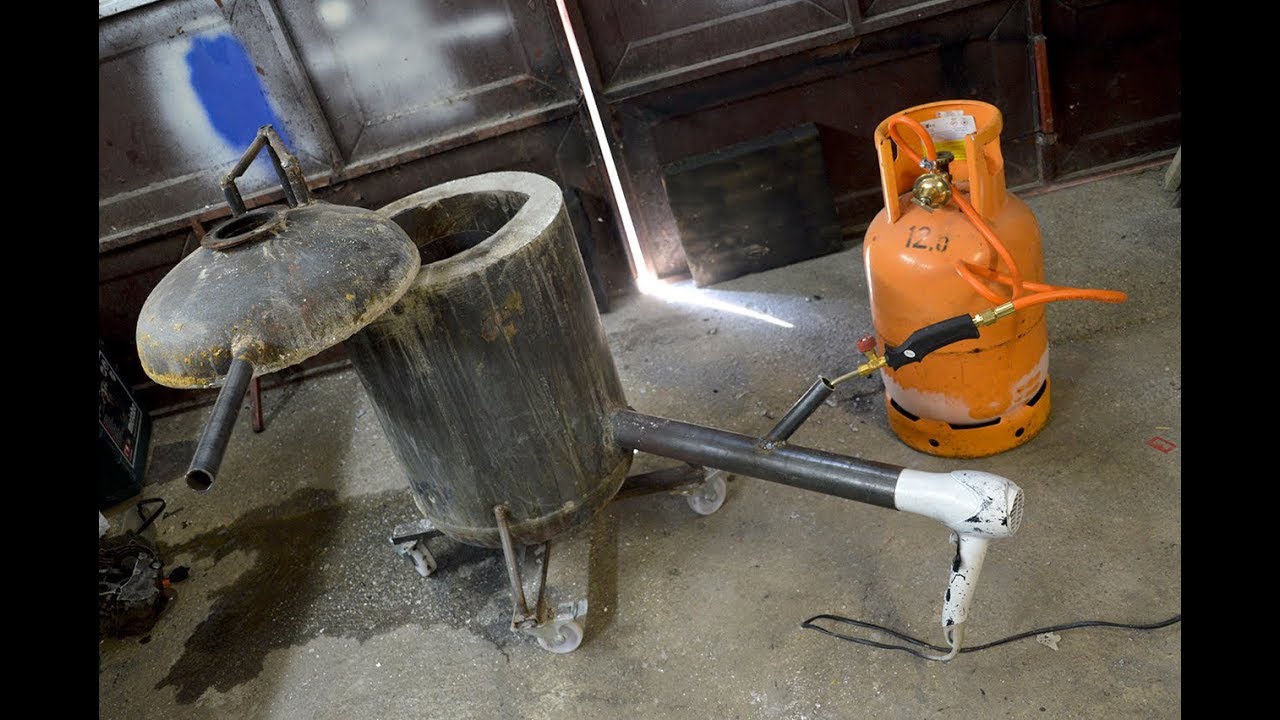
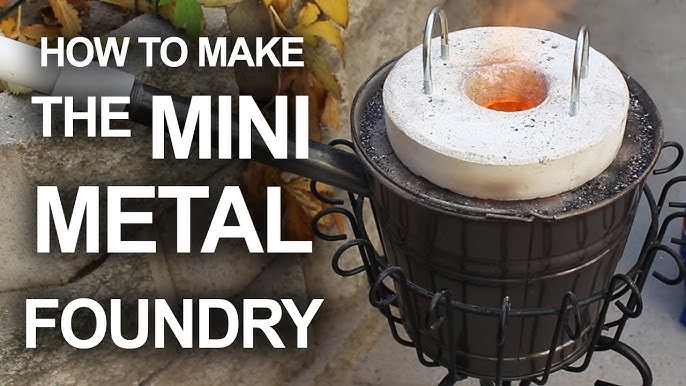
Can Steel Spreading Be Done in the house?
Steel casting can be done in the house, given individuals have the essential devices, products, and precaution in position. Appropriate air flow, safety gear, and adherence to guidelines are vital for a safe, successful process.
How Do I Choose the Right Spreading Method for My Task?
Each technique, from sand spreading to investment spreading, supplies special benefits and applications. The key processes consist of gravity casting, where metal moves right into a mold and mildew under its weight, and stress spreading, where molten metal is compelled into useful content a mold tooth cavity. Many casting approaches exist, sand spreading remains the most common technique in the market due to its convenience and cost-effectiveness. Investment spreading is an extremely exact metal spreading method that provides phenomenal information in the last item. Amongst the myriad metal spreading techniques, lost wax spreading stands out for its special artistic expression and abundant historic roots.
Comments on “How Metal Foundry Ensures Top-Quality Industrial Results”